Disaster Training
Overview
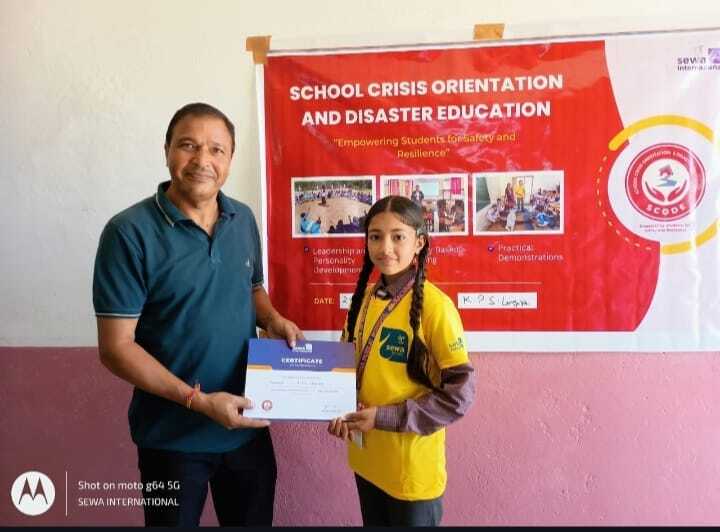
- Disaster Preparedness Training by Sewa International equips individuals, communities, and institutions with knowledge and skills needed to respond effectively in times of crisis.
- The program emphasizes preparedness, resilience, and timely response to minimize loss of life, property, and livelihoods during natural or man-made disasters.
Objectives
- Build awareness and readiness for disaster situations
- Train communities in first response, safety, and evacuation
- Reduce risks through preventive measures and planning
- Strengthen resilience and self-reliance at the grassroots level

Disaster Preparedness Training Modules
Understanding Disasters
Preparedness & Response
First Aid & Safety
Community Engagement
Recovery & Resilience
- Types of disasters: natural and human-induced
- Risk identification and hazard mapping
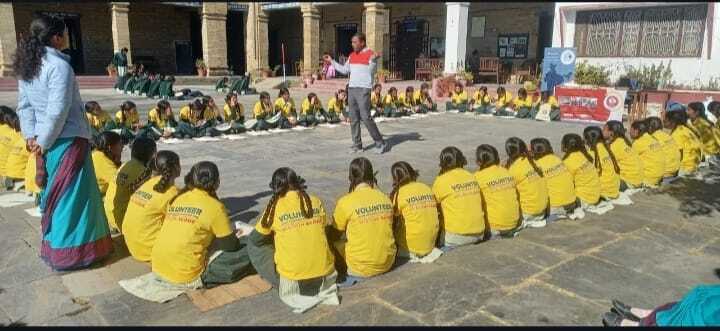
- Evacuation drills and emergency planning
- Safe sheltering and resource management
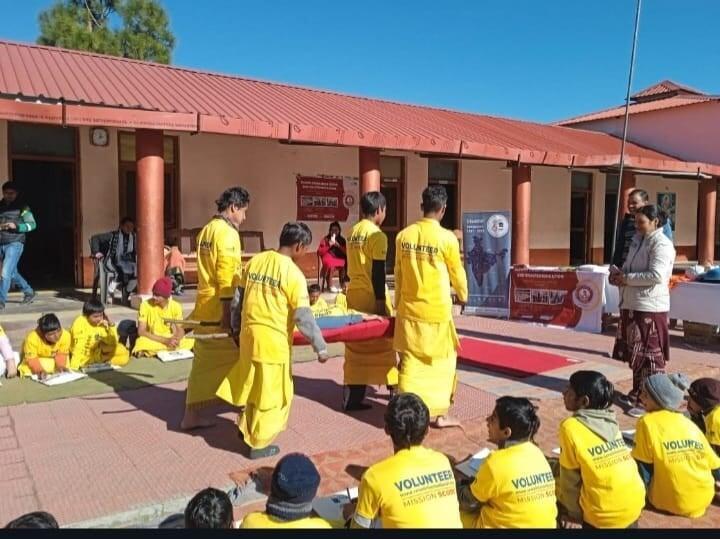
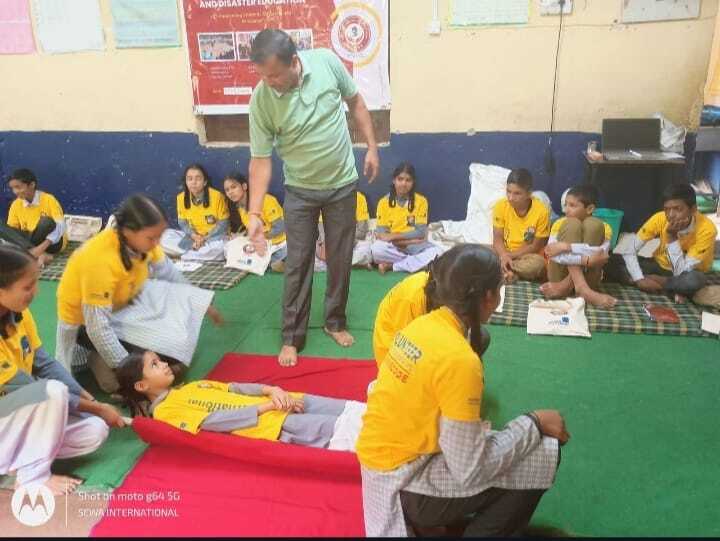
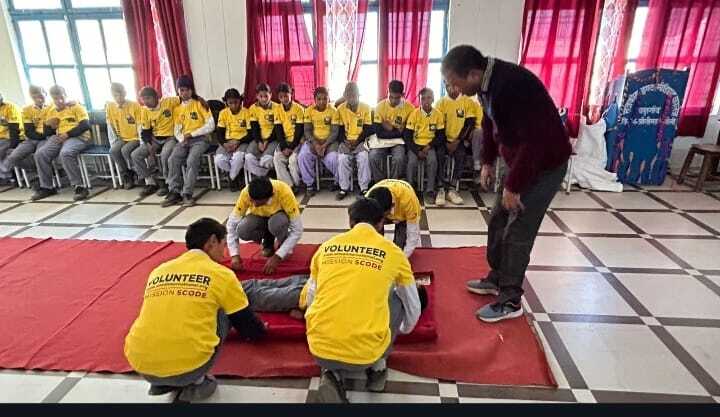
- Basic first aid techniques
- Handling injuries, burns, and trauma during emergencies
- Role of volunteers and local leaders
- Building community-based disaster response teams
- Post-disaster rehabilitation practices
- Psychological support and livelihood restoration
Disaster Preparedness Training Impact
- Total Sessions: 75
- Duration per Session: 4 hours
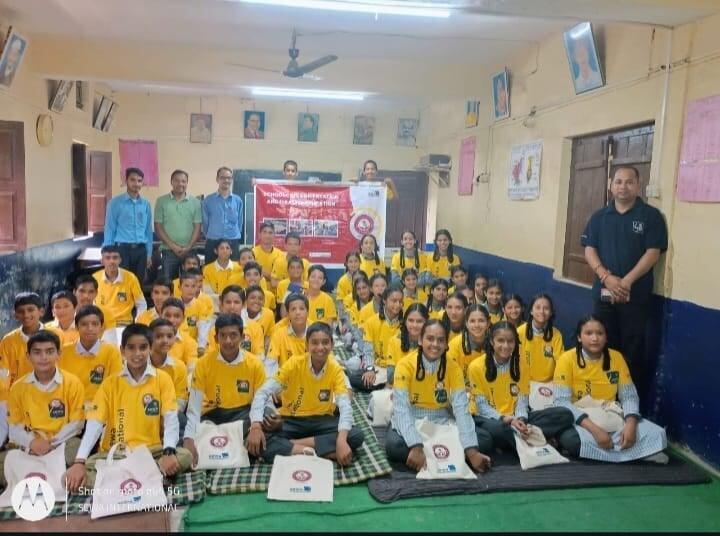
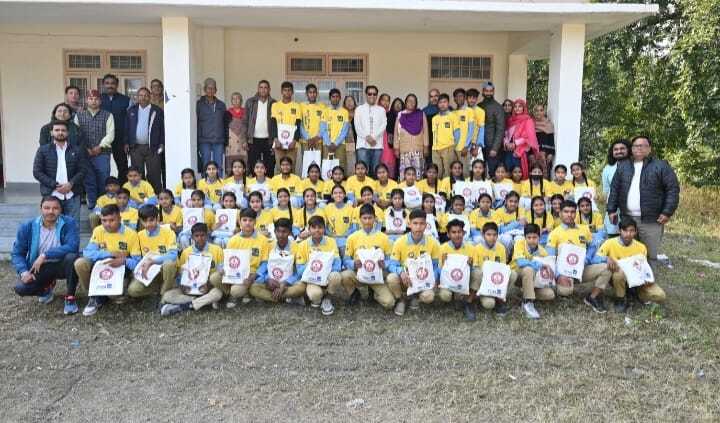
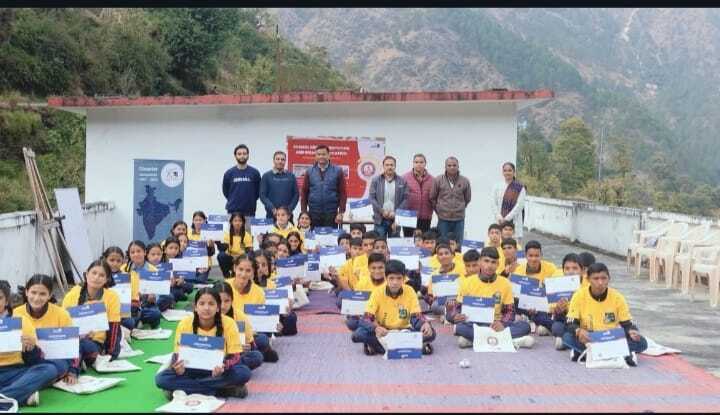
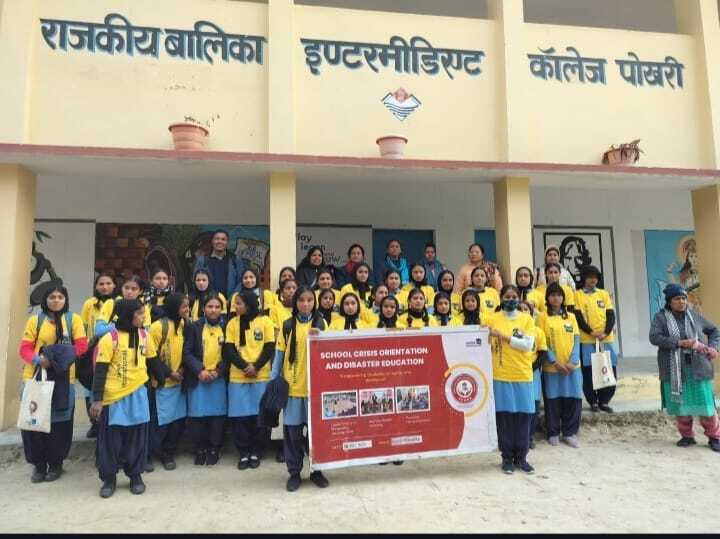
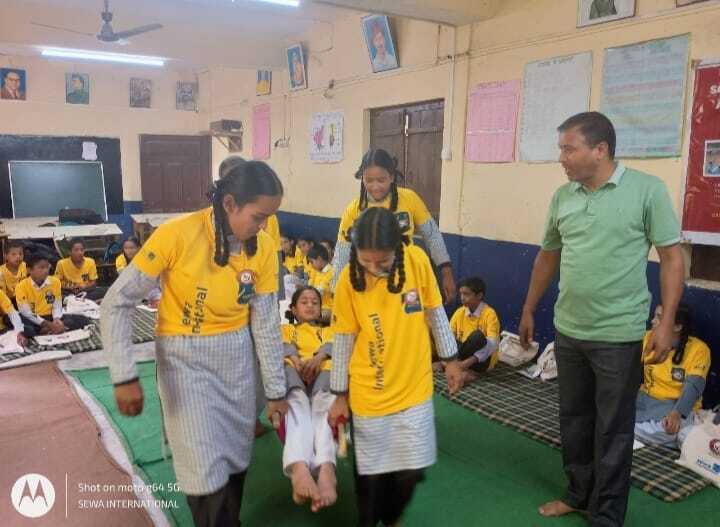
- Conducted in Schools across Chamoli, Rudraprayag, Almora, and Dehradun
- Participants: 3,800 students trained (50 students per school)
- Training Structure: Divided into 7 comprehensive modules
- Empowers communities to respond quickly and effectively during disasters
- Reduces vulnerability and minimizes potential losses
- Creates a culture of safety, awareness, and preparedness
- Strengthens networks of trained volunteers and responders